Research · Overview
Unlocking lipid signaling to cure complex diseases.
Lipids are far more than structural building blocks and energy stores — they are dynamic, site-specific regulators of cellular fate. Because lipid function depends on exact subcellular localization and concentration, standard bulk analyses fall short.
Our laboratory pioneers in situ, quantitative lipid imaging and chemical biology tools to visualize, quantify and manipulate lipid signaling in live cells and tissues. By decoding spatiotemporal lipid dynamics and signaling, we aim to uncover novel disease biomarkers and engineer highly specific, potent and safe lipid-targeted therapeutics.
Research thrusts
Thrust 01 · Lipid-binding proteins
Expanding the lipid universe
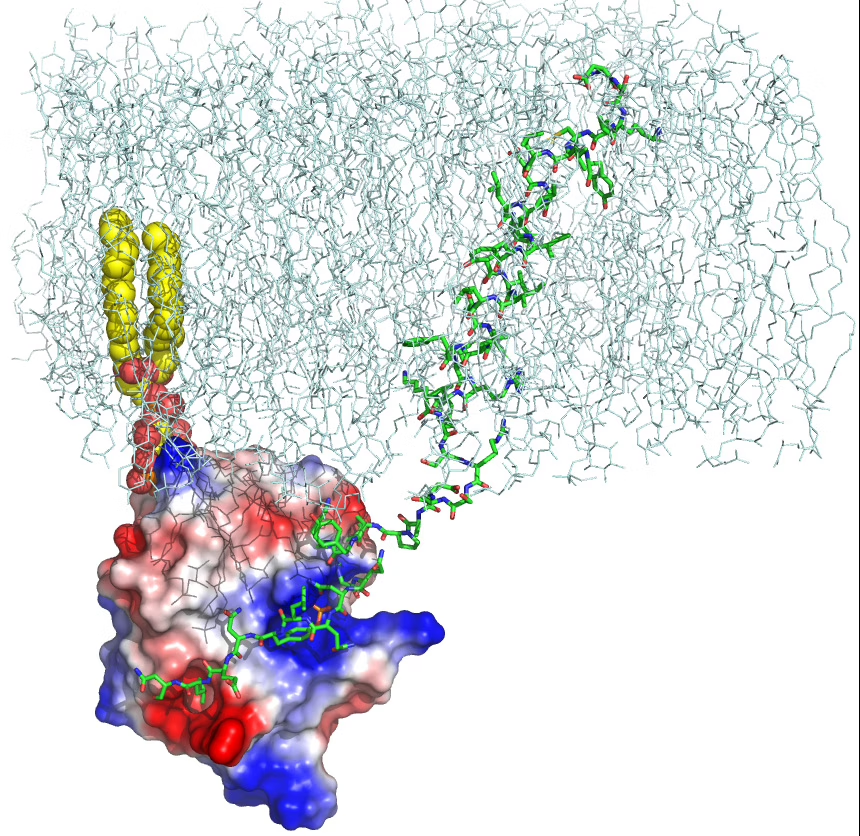
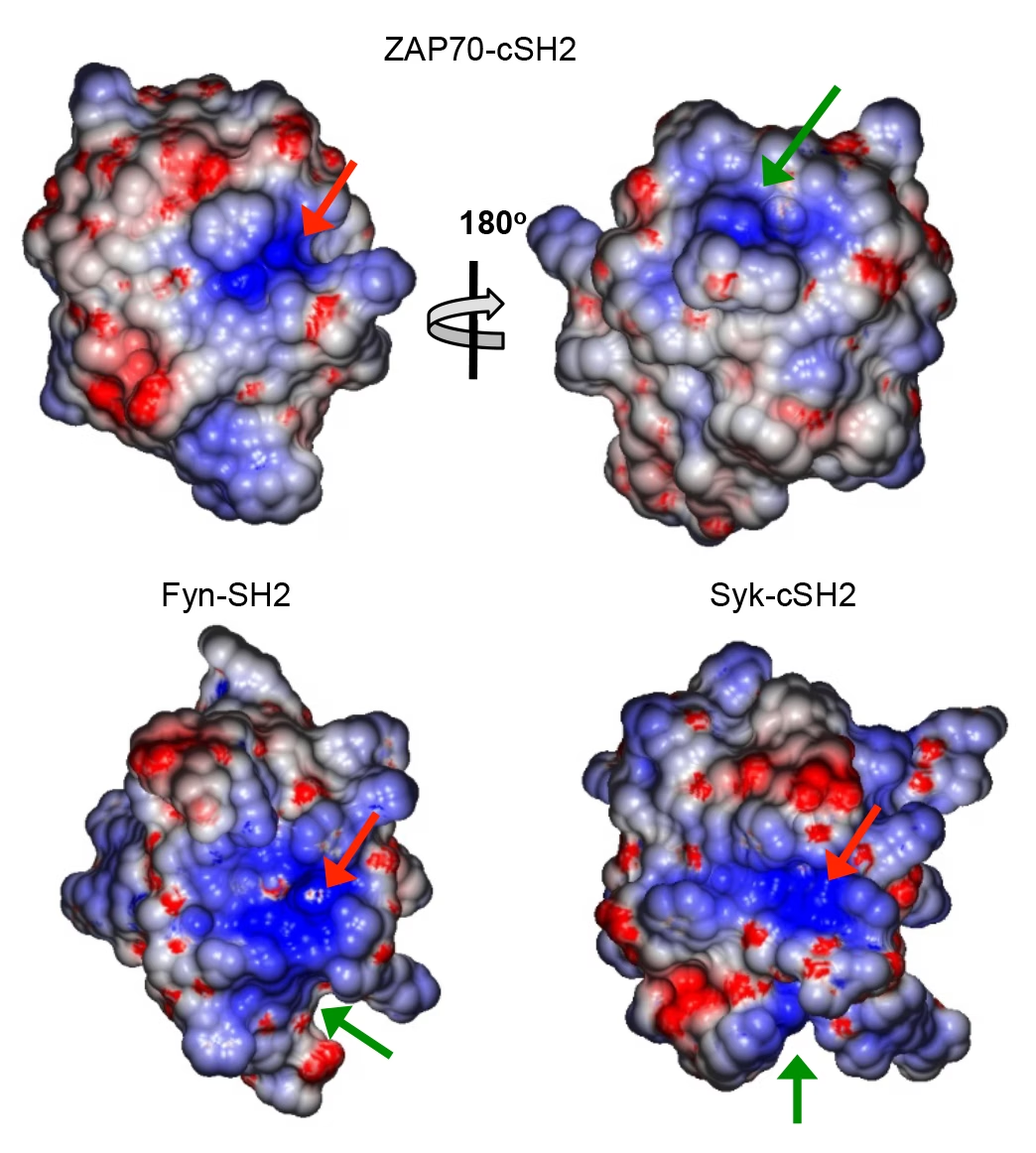
While lipids are well known for regulating membrane-resident proteins, our laboratory challenged the traditional dogma that soluble proteins rarely interact with membrane lipids. By embarking on a genomic-scale initiative to systematically identify lipid-binding proteins, we developed innovative biophysical approaches to map these interactions across the human proteome. This work led to the landmark discovery that cytosolic proteins containing classic protein–protein interaction modules — such as PDZ and SH2 domains — also bind directly and specifically to membrane lipids (Molecular Cell, 2012, 2016).
This discovery fundamentally expanded the “lipid universe” and established a new paradigm in cellular signaling: membrane lipids dynamically anchor and regulate proteins previously thought to function solely through protein–protein networks. Importantly, mapping these novel lipid-binding domains laid the foundation for designing small-molecule inhibitors that target lipid–protein interaction interfaces for therapeutic intervention (Nature Chemical Biology, 2023). We continue to identify and characterize novel lipid-binding proteins to deepen our mechanistic understanding of cellular regulation and advance lipid-targeted drug discovery.
Thrust 02 · Quantitative lipid imaging
Developing new imaging and chemical biology tools
Lipids serve as vital structural building blocks, energy reservoirs and dynamic signaling molecules within the cell. Reprogrammed lipid metabolism and aberrant lipid production are drivers of diverse human diseases, including cancer and neurodegenerative diseases. Because the biological functions of lipids depend critically on their local concentration and subcellular distribution, spatiotemporally resolved quantification is essential for unraveling lipid-mediated cellular processes.
To address this challenge, our laboratory pioneered in situ quantitative lipid imaging technologies (Nature Chemistry, 2011; Nature Chemical Biology, 2017; Molecular Cell, 2018). These methods enable high-resolution, real-time visualization and quantification of lipid dynamics, leading to the discovery of previously unappreciated roles for lipids in both physiology and disease pathology. Building on these advances, we are currently developing:
- Ratiometric fluorescence sensors. Designed for the simultaneous, quantitative imaging of specific lipids, lipid–protein interactions and membrane properties such as curvature in live cells and patient-derived tissue samples — to uncover regulatory mechanisms, establish diagnostic biomarkers and validate novel drug targets.
- Spatiotemporally targeted chemical biology tools. Engineered to selectively manipulate localized lipid actions in real time within live cell systems.

Thrust 03 · Cholesterol biology
Deciphering multi-talented cholesterol’s role in cancer and neurodegeneration
While cholesterol’s role in cardiovascular disease is well established, it is increasingly linked to human cancers and neurodegenerative disorders — including Alzheimer’s disease — via mechanisms that remain poorly understood.
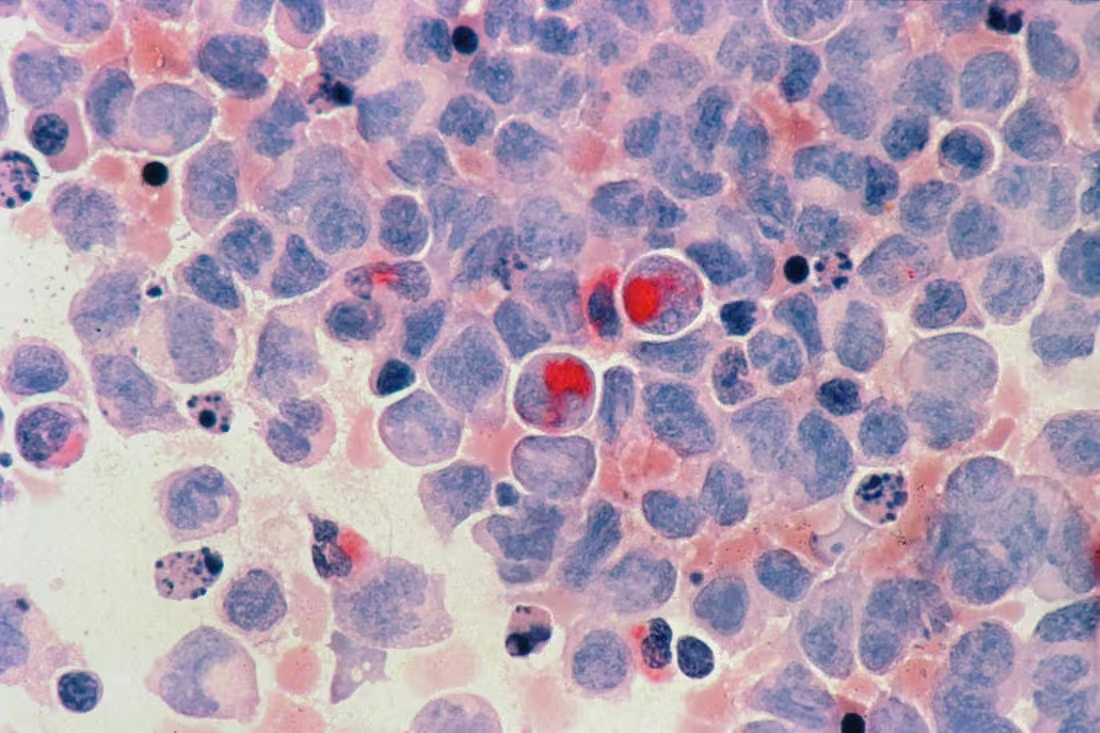
Our laboratory discovered that cholesterol acts as a direct, specific activator of key cell signaling proteins to drive cell growth and proliferation (Nature Communications, 2012, 2014; Nature Chemical Biology, 2017). Using our ratiometric cholesterol sensors and site-specific cholesterol modulation systems, we further revealed that spatiotemporally specific enrichment of cholesterol at target membranes is essential for its regulatory actions (Nature Chemical Biology, 2017). Importantly, we found that cancer cells maintain distinct, elevated local cholesterol pools that promote disease progression while offering novel diagnostic biomarkers.
Building on these mechanistic insights, we are advancing translational therapeutic strategies:
- Cancer therapeutics. Developing small-molecule lipid–protein interaction (LPI) inhibitors and site-specific modulators of local cholesterol pools to target oncogenic pathways across solid tumors, including breast, colorectal, gastric, lung, pancreatic and prostate cancers.
- Neurodegeneration and autoimmunity. Applying our LPI inhibition platform and cholesterol-modulating tools to design novel therapies for Alzheimer’s disease as well as autoimmune and inflammatory disorders.
Thrust 04 · LPI inhibitors
Lipid therapeutics: targeting lipid–protein interactions and local lipid dynamics
Many key signaling proteins driving cancer and neurodegenerative diseases rely on interactions with specific membrane lipids. We have demonstrated that the cellular function of these proteins can be potently and specifically blocked by inhibiting their lipid–protein interactions (LPIs). Because LPI interfaces are structurally unique and hypervariable across signaling factors, they represent ideal targets for a new class of highly selective therapeutics.
Through major conceptual and technical breakthroughs, we have pioneered LPI-targeted drug discovery and site-specific lipid modulation platforms:
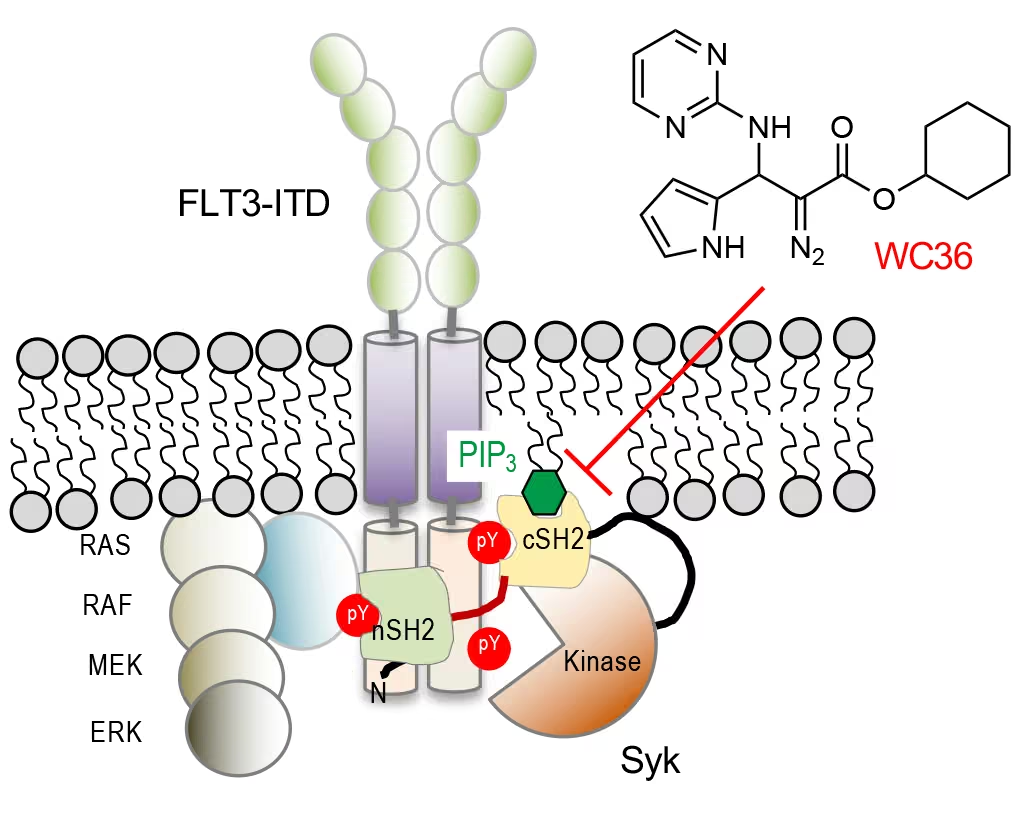
- Syk kinase inhibitors (AML). In a proof-of-concept study, we developed WC36, a first-in-class small-molecule LPI inhibitor targeting Syk kinase (Nature Chemical Biology, 2023). By selectively blocking lipid binding to Syk’s SH2 domain, WC36 dual-inhibits both its enzymatic kinase activity and its SH2-mediated scaffolding function. This unique mechanism potently eliminates AML cells resistant to conventional ATP-competitive inhibitors and prevents the emergence of secondary resistance.
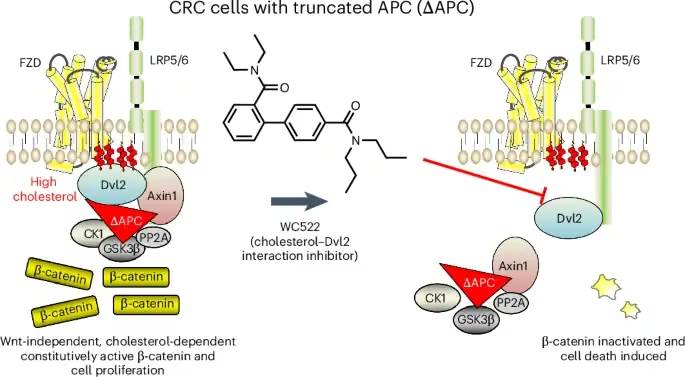
- Wnt/β-catenin pathway inhibitors (colorectal cancer). Extending this platform to cholesterol-driven malignancies, we developed WC522, an LPI inhibitor targeting oncogenic Wnt/β-catenin signaling in colorectal cancer harboring APC truncations (Nature Chemical Biology, 2025). By selectively targeting cancer cells with elevated local cholesterol pools, WC522 achieves high therapeutic efficacy while sparing normal tissues — overcoming the severe off-target cytotoxicity common to traditional Wnt pathway inhibitors.
- Site-specific cholesterol modulators (gastric cancer). Expanding beyond LPI inhibition, we engineered a first-in-class site-specific cholesterol modulator that selectively depletes regulatory local cholesterol pools to potently suppress gastric cancer cell proliferation (Journal of Lipid Research, 2026).
We are actively expanding these platforms to develop first-in-class LPI inhibitors and site-specific lipid modulators for a broad spectrum of human cancers, neurodegenerative disorders, autoimmune conditions and aging-related diseases.
Also underway
Other projects
- The study of roles of lipids in aging and cell death to improve the quality of life
- The study of roles of various lipids in phosphoinositide 3-kinase (PI3K) signaling pathways to find new drugs for cancer and other metabolic diseases
- Developing new methodologies for quantifying cellular membrane protein–lipid interactions
- Investigating nanoparticle–cell interaction for next-generation nanomedicine
- Understanding the roles of lipids in gene regulation
Collaborators
Who we work with
A partial list of current and past collaborators.
-
Drs. Barry Honig & Diana Murray
Columbia University
Computational study of lipid–protein interaction and lipid-mediated protein–protein interaction
-
Dr. You-Me Kim
POSTECH, Korea
SH2 domains in immune cell signaling
-
Dr. Daesung Lee
UIC
Fluorophore development
-
Dr. Vladimir Gevorgyan
UIC
Small molecule library for membrane-protein modulation
-
Dr. Irena Levitan
UIC
Regulation of ion channels by cholesterol
-
Dr. Justin Lorieau
UIC
NMR study of SH2 domains
-
Dr. Xiaojing Yang
UIC
X-ray crystallographic study of lipid binding domain
-
Drs. Forbes Porter & Kevin Francis
NIH / Sanford Research
Cholesterol in Wnt signaling
-
Dr. Jill Weimer
Sanford Research
Regulation of PIP2 signaling
-
Dr. Miriam Rafailovich
Stony Brook University
Nanoparticle–membrane interaction
-
Dr. Akihiro Kusumi
Kyoto University
Single molecule study of lipid–protein interaction
-
Dr. Inhwan Hwang
POSTECH, Korea
Organelle targeting of plant proteins
-
Drs. Robert Winn & Rama Kamesh Bikkavilli
UIC
Cholesterol & cancer
-
Dr. Sungho Ryu
POSTECH, Korea
SH2 domains in cell signaling
-
Dr. Jin-Kwan Han
POSTECH, Korea
Cholesterol in Wnt signaling
-
Dr. Anjen Chenn
UIC
Cholesterol regulation of cell diversity in Sonic Hedgehog medulloblastoma
-
Dr. Min Goo Lee
Yonsei University, Korea
Regulation of chloride channels by cholesterol